
Over 150,000 Australians are living with Parkinson's disease at present, with 50 people diagnosed every day. A progressive disorder that affects the nervous system as well as parts of the body controlled by the nerves, Parkinson’s is the second-most common neurological disease in Australia after dementia. Globally, it is the fastest growing neurological condition with 10 million people living with this health challenge, according to the World Health Organisation.
What are the symptoms of Parkinson’s? The symptoms of Parkinson’s may start slowly with barely noticeable tremors. During the early stages of the disease, an individual may exhibit symptoms that include the following:
- Tremors – Usually beginning in a limb, rhythmic shaking or tremor occurs in the hand or fingers more often when at rest and may decrease when performing tasks.
- Slowed movement – Also known as bradykinesia, the slowing of movement, such as shuffling steps when walking, often makes performing daily tasks challenging.
- Poor balance and posture – Your posture may become stooped, and you may be more prone to falls and injuries.
- Muscle rigidity – Stiff muscles may become painful, making movement difficult and range of motion limited. What muscles are often affected by Parkinson’s? The muscles that flex the limbs and the trunk are the ones most noticeably affected, impacting the curling of the fingers and hands, and the bending of the knees, hips, and elbows.
- Changes in speech and writing – Your speech may become slow or slurred and find it difficult to write.
- Impairment or loss of movement – Automatic movements such as smiling or blinking may be impaired and affected.
Other symptoms may include constipation or urinary incontinence, depression, cognitive impairments, sleep disorders, and skin problems. While Parkinson’s is commonly associated with older adults, individuals with Young Onset Parkinson’s and diagnosed in their 20s to 50s, comprise up to 20% of all people living with the condition.
The cause of Parkinson’s Disease is largely unknown, with some scientists attributing it to a combination of genetic and environmental causes that lead to dopamine loss in the brain. It is highly recommended that you see a healthcare professional when you notice these symptoms. This is so your condition can be diagnosed properly and so that any other cause of your symptoms can be ruled out.
Can exercise help manage the symptoms of Parkinson’s?
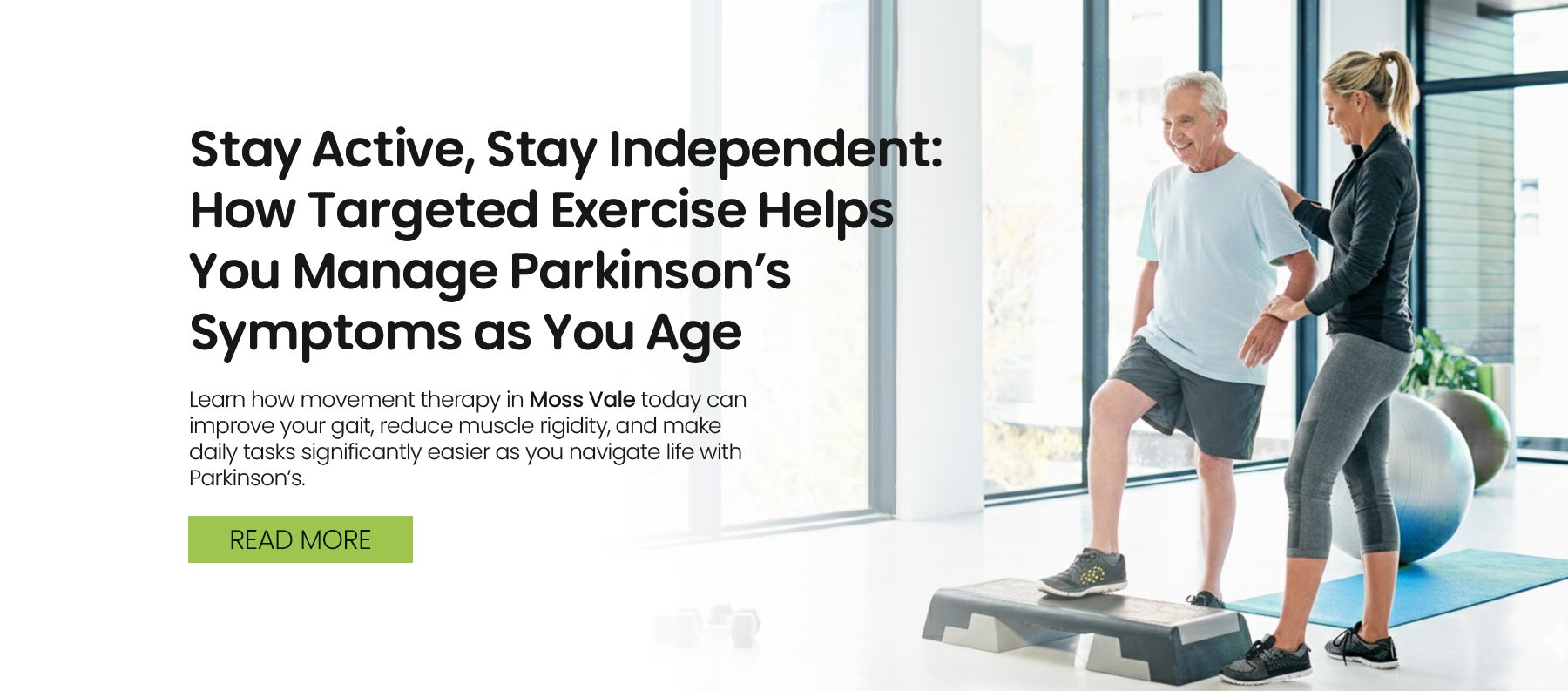
Regular exercise and physical activity offer a solution to the question of how to slow down Parkinson’s disease progress and provide several other benefits. These include reducing pain, promoting mobility through improved balance, strength, and gait, and improving quality of life through better sleep, mood, and memory.
Exercise plays a vital role in managing the symptoms of Parkinson’s by promoting neuroplasticity, improving muscle strength, and enhancing coordination. So, what are the best exercises for Parkinson’s? Read on to find out.
- Tai Chi – Known for its slow, flowing movements, Tai Chi improves balance, flexibility, and muscle strength. Its gentle nature makes it suitable for individuals with Parkinson’s. Moreover, Tai Chi also fosters mind-body awareness, reducing stress and anxiety often associated with the condition.
- Dance Therapy – Incorporating rhythmic movements and music, dance therapy offers physical and emotional benefits for Parkinson’s patients. Dancing can improve gait, coordination, and posture. Furthermore, dancing can also enhance mood and cognitive function.
- Yoga – With its emphasis on breath control, meditation, and gentle stretching, yoga poses can help alleviate muscle rigidity, improve flexibility, and enhance overall body awareness.
- Aquatic Therapy – Exercising in water provides buoyancy and resistance, making it ideal for individuals with Parkinson’s who may experience balance issues or joint stiffness. Aquatic exercises can also improve cardiovascular health, muscle strength, and range of motion without putting undue stress on the joints.
- Cycling – Cycling using a stationary or mountain bike can help maintain cardiovascular fitness, strengthen leg muscles, and promote coordination and balance.
Important note: The information presented above is general in nature and does not take your personal condition or situation into consideration. It is intended to show the correct exercise technique and should not be used to self diagnose or self treat any medical condition. If your pain persists or you experience difficulty performing an exercise, see your experienced Exercise Physiologist for guidance.
Why does an individualised approach matter?
Exercise not only helps manage the symptoms of Parkinson’s disease but also enhances mobility, balance, and quality of life. To optimise health outcomes, individuals with Parkinson’s require tailored exercise regimens.
Individuals diagnosed with Parkinson’s have health challenges that must be carefully considered in the creation of an exercise program. That’s why consulting an Exercise Physiologist is vital for ensuring that the activities are tailored to your conditions and are safe and effective. Our EPs can also teach an individual diagnosed with Parkinson’s to use the correct form when exercising to minimise the risk of injury and optimise results. Contact our Moss Vale team via 1300 090 931 or book a session here.